





Sustainability Moves Upstream in the UAE and Oman’s Construction Sector
30 Dec 2025 • 4 min read

Anna Fischer
Construction Content Writer


Over the past year, the most significant changes in construction across the UAE and Oman have not come from visible milestones but from changes in how projects are specified, reviewed, and delivered.

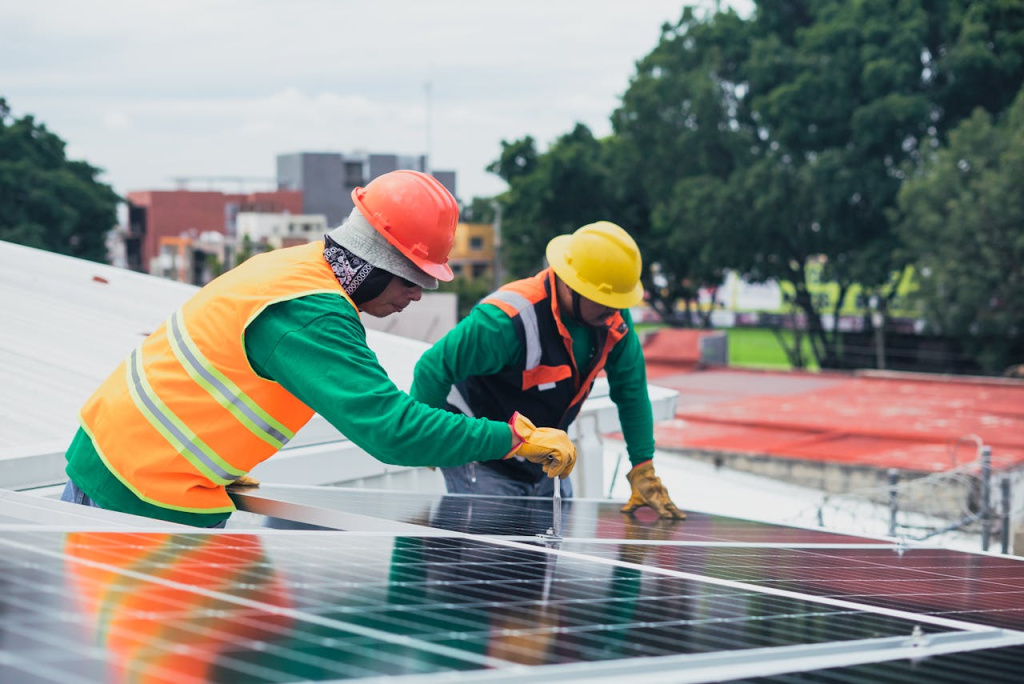
In 2025, sustainability entered its early stages of development. Project teams increasingly evaluated low-carbon materials, lifecycle performance, and embodied carbon during design and procurement, alongside cost, timelines, and durability. This marked a shift away from short-term optimization toward long-term performance and resilience.
The next decade of construction in the UAE and Oman will be shaped by how effectively sustainability is embedded into everyday decisions.
Ali Said
CEO, Holcim UAE & Oman
Major developments across the region reflected this shift. Net-zero energy buildings, national infrastructure programs, and large mixed-use projects embedded sustainability requirements from the outset. Teams delivered these projects at scale under commercial conditions, raising expectations for standard project delivery.
Embodied carbon has emerged as a central challenge. As operational efficiency improved, attention shifted to emissions embedded in materials. In cement and concrete production, incremental improvements alone proved insufficient. Progress over the year confirmed the need for combined approaches, including lower-clinker formulations, alternative fuels, circular material use, and carbon capture.
From Low-Carbon Materials to Circular Construction at Scale
For building materials producers, 2025 highlighted the need to test decarbonization solutions under real operating conditions. Early carbon capture and mineralization initiatives in the region demonstrate how the industry can reduce emissions closer to the source.
At Holcim, this translated into advancing carbon capture and low-carbon material solutions through live projects and pilot programs, with a clear focus on scalability and performance under regional conditions. These efforts reflect a shift from theoretical approaches to practical deployment, with scale now being the primary constraint.
Circular construction has also expanded beyond niche applications. The reuse of construction and demolition materials is no longer viewed solely as a waste-management measure. Instead, it strengthens supply chains, reduces reliance on virgin materials, and lowers embodied carbon. When recycled materials meet established performance standards, they become an integral part of standard project delivery rather than an alternative.
Together, these developments reinforce a clear leadership lesson: sustainability depends on effective execution. Innovation scales only when the value chain trusts the data, the process, and the results. ESG-driven growth requires clear priorities, measurable outcomes, and consistent follow-through.
Looking ahead, sustainability will increasingly shape routine construction decisions in the UAE and Oman. Carbon capture will become a core decarbonization tool. Circular construction will be integrated into standard delivery models. Low-carbon materials will move toward the default specification. The current challenge is to balance growth, performance, and responsibility while setting practical benchmarks for these fast-growing markets.

Anna Fischer
Construction Content Writer
Share this article
'%3e%3cg%20clip-path='url(%23clip1_6548_6055)'%3e%3cpath%20d='M13.974%2015.6195C14.2724%2016.0185%2014.6532%2016.3487%2015.0905%2016.5876C15.5278%2016.8265%2016.0114%2016.9686%2016.5084%2017.0042C17.0055%2017.0398%2017.5043%2016.9681%2017.9712%2016.7939C18.4381%2016.6198%2018.8621%2016.3472%2019.2143%2015.9948L21.2994%2013.9098C21.9324%2013.2544%2022.2827%2012.3766%2022.2747%2011.4654C22.2668%2010.5543%2021.9014%209.68269%2021.257%209.03839C20.6127%208.39408%2019.7412%208.02862%2018.83%208.0207C17.9189%208.01278%2017.0411%208.36305%2016.3857%208.99606L15.1902%2010.1845M16.754%2014.2295C16.4555%2013.8305%2016.0747%2013.5003%2015.6374%2013.2614C15.2002%2013.0225%2014.7166%2012.8804%2014.2196%2012.8448C13.7225%2012.8092%2013.2237%2012.8809%2012.7568%2013.0551C12.2899%2013.2292%2011.8659%2013.5018%2011.5136%2013.8542L9.42861%2015.9392C8.7956%2016.5946%208.44534%2017.4724%208.45326%2018.3836C8.46117%2019.2947%208.82664%2020.1663%209.47094%2020.8106C10.1152%2021.4549%2010.9868%2021.8204%2011.898%2021.8283C12.8091%2021.8362%2013.6869%2021.4859%2014.3423%2020.8529L15.5308%2019.6645'%20stroke='%235F7896'%20stroke-width='1.39002'%20stroke-linecap='round'%20stroke-linejoin='round'/%3e%3c/g%3e%3c/g%3e%3crect%20x='0.438953'%20y='0.438953'%20width='28.9709'%20height='28.9709'%20rx='14.4855'%20stroke='%235F7896'%20stroke-width='0.877907'/%3e%3cdefs%3e%3cclipPath%20id='clip0_6548_6055'%3e%3crect%20width='29.8488'%20height='29.8488'%20rx='14.9244'%20fill='white'/%3e%3c/clipPath%3e%3cclipPath%20id='clip1_6548_6055'%3e%3crect%20width='16.6802'%20height='16.6802'%20fill='white'%20transform='translate(7.02344%206.58435)'/%3e%3c/clipPath%3e%3c/defs%3e%3c/svg%3e)


Related articles


See all







See FirstBit ERP solutions in action
Discover how our system solves the unique challenges of contractors in a personalized demo.
After the demo you will get a quotation for your company.
After the demo you will get a quotation for your company.