





MEP in Construction: The Complete Guide to Mechanical, Electrical, and Plumbing Systems
11 Feb 2026 • 13 min read

Umme Aimon Shabbir
Editor at First Bit


MEP is where a project becomes an operational building. Mechanical, electrical, and plumbing systems provide airflow, power, water, drainage, and life-safety functions that determine how the asset performs after handover. That is the practical MEP meaning in construction for project teams.
MEP scope also carries outsized delivery risk. Systems share limited ceiling and shaft space, require strict sequencing, and depend on accurate coordination across trades. When teams are unclear on what MEP in construction is, the result is typically clashes, rework, and delayed testing and commissioning, each with a direct cost impact.
In U.S. commercial buildings, space heating accounted for about 32% of total energy use in 2018, showing why mechanical decisions can drive long-term operating cost, not just installation cost [?] .
This guide defines MEP in construction meaning in practical terms, and explains how mechanical, electrical, and plumbing systems are designed, documented, and installed. It also clarifies how MEP works in construction connected to coordination, procurement, and site execution, including the role of MEP drawings in construction in preventing downstream issues.
What is MEP in Construction
MEP refers to the mechanical, electrical, and plumbing systems that allow a building to function. These systems support environmental control, power distribution, and water management, forming the technical foundation of any occupied space. That is the core MEP meaning in construction used by project teams.
MEP systems influence both upfront delivery cost and long-term operating performance. They require careful planning because they compete for shared physical space and depend on coordinated installation sequencing. Understanding what MEP in construction is helps teams manage complexity and reduce costly rework.
Buildings and construction accounted for about 34 % of global energy demand in 2022, signalling the operational significance of systems like HVAC, lighting, and water infrastructure that MEP engineers design and install [?] .
In project planning, MEP in construction often extends beyond systems alone. It includes coordination activities, installation standards, and the documentation required for inspection and handover. These elements define how well MEP works in construction and integrate with structural and architectural components.
Clear scope definition and accurate MEP drawings in construction support this integration. They allow trades to understand routing, equipment placement, and access requirements early. This clarity is essential for managing dependencies among contractors and ensuring reliable MEP performance in building construction.
MEP Systems: Meaning in Construction
MEP systems form the technical backbone of a building. They control temperature, air movement, lighting, power, water, and waste removal, shaping the way a facility performs throughout its lifecycle. This is the operational MEP in construction meaning used by engineers and contractors during design and execution.
These systems influence energy efficiency, occupant comfort, and maintenance requirements. Their installation must be coordinated early because mechanical, electrical, and plumbing elements compete for shared space in ceilings, risers, and service rooms. A clear understanding of what MEP in construction helps reduce conflicts, delays, and downstream rework.
According to U.S. EIA data, HVAC systems (heating, cooling, and ventilation) account for about 41% of total energy use in U.S. commercial buildings, highlighting the long-term operational impact of core MEP decisions [?] .
Mechanical Systems
Mechanical systems control ventilation, cooling, heating, and air distribution. They determine indoor air quality, temperature stability, and the comfort level experienced by building occupants. Common components include chillers, air-handling units, ductwork, pumps, fans, and building management controls.
Mechanical layouts often drive coordination because ducts and large equipment require substantial space and specific routing. Any change in duct sizing or equipment placement can affect structural openings and electrical loads. Accurate MEP drawings in construction help prevent clashes among ducts, pipes, and conduits.
Electrical Systems
Electrical systems provide power, lighting, communications, and emergency support. They include panels, switchgear, cabling, outlets, lighting fixtures, and low-voltage networks. Proper load calculations are essential to ensure safety and avoid overloading.
Electrical layouts frequently intersect with mechanical and plumbing pathways in congested areas such as ceilings and risers. Understanding what does MEP mean in construction requires planning for these intersections early, ensuring accessibility and compliance with electrical standards.
Plumbing Systems
Plumbing systems manage water supply, drainage, sewage, and venting. They deliver potable water, remove waste, and support fire protection and stormwater management. Modern plumbing design also integrates water-efficient fixtures and sustainable consumption strategies.
Plumbing routing affects slab penetrations, vertical shafts, and wall layouts. Correct pipe slopes, fixture locations, and access zones are essential. Within MEP works in construction, plumbing installation is often scheduled early to allow subsequent trades to progress without disruption.
Stay ahead of delays
Monitor project progress with FirstBit
Request a demo
Types of MEP Drawings in Construction

Types of MEP drawings
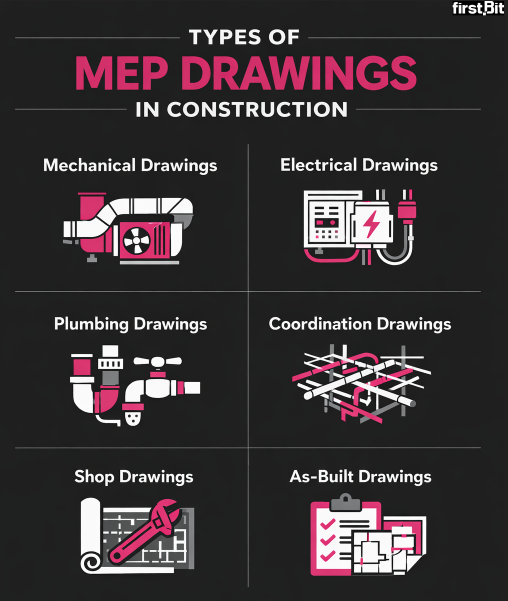
MEP drawings translate design intent into coordinated layouts that guide system installation on site. They define how mechanical, electrical, and plumbing systems share space and interact with structural and architectural elements. This clarity reduces uncertainty and supports smoother delivery of MEP works in construction across different trades.
Accurate drawings also support procurement, sequencing, approvals, and technical reviews. Together, they create the framework for safe, compliant, and efficient installation. High-quality documentation is central to reliable MEP in building construction and minimizes errors that lead to rework during execution.
Mechanical Drawings
Mechanical drawings illustrate HVAC layouts, duct routing, equipment placement, and airflow paths. They show how air will be distributed and how mechanical systems connect to electrical power and controls. Because ducts and air-handling units require significant space, these drawings often drive early coordination in MEP drawings in construction.
They also define maintenance clearances and access requirements for servicing. This helps avoid layouts that block filters, dampers, valves, or inspection panels behind finishes. Mechanical drawings can also clarify plant room zoning and safe lifting or replacement paths. These details reduce the number of change requests late in installation.
Electrical Drawings
Electrical drawings outline lighting plans, power distribution, circuiting, panel schedules, and pathways for conduits and cable trays. They ensure safe load distribution, proper redundancy, and compliance with electrical codes. They reflect the electrical scope of what does MEP mean in construction, where accuracy is critical for safety and reliability.
These drawings also help manage intersections with ducts, pipes, and fire-rated assemblies. They indicate riser routes, containment sizing, and required clearances around equipment and panels. Clear documentation supports smoother inspections and reduces on-site improvisation. It also helps prevent overloaded trays, undersized conduits, and access conflicts.
Plumbing Drawings
Plumbing drawings define domestic water supply, drainage, venting, and sanitary system routing. They specify pipe sizes, slopes, fixture connections, and interfaces with external networks. This documentation represents a key part of MEP meaning in construction because plumbing must comply with gravity-flow and accessibility requirements.
Well-developed plumbing layouts prevent structural conflicts by identifying slab penetrations, wall cavities, and shaft requirements early. They also clarify cleanouts, isolation valves, backflow devices, and access points needed for maintenance. This reduces the risk of rework after tiling, ceiling closure, or waterproofing. It also supports smoother testing and commissioning of water systems.
Coordination Drawings
Coordination drawings combine mechanical, electrical, and plumbing layouts into a single integrated model. They reveal spatial conflicts and help all trades understand the constraints of shared environments. This integrated approach is essential to consistent MEP in construction meaning, especially in dense ceiling and service zones.
They also support sequencing decisions by showing the required order of installation across trades. Coordination drawings clarify where tolerances are tight and where rerouting is feasible without compromising performance. They help align sleeve locations, openings, and support systems before work starts on site. This reduces field changes that typically trigger delays and cost escalation.
Shop Drawings
Shop drawings refine design documents into fabrication-ready details for ducts, pipes, cable trays, supports, and equipment assemblies. They ensure manufacturers and installers work from precise dimensions and specifications. This level of detail is fundamental to predictable MEP works in construction and supports efficient material preparation.
Shop drawings also validate how components will be built, joined, and installed in real site conditions. They define hanger spacing, flange types, insulation requirements, and interface points with other systems. This supports prefabrication and reduces cutting and rework on-site. It also improves installation quality by reducing reliance on assumptions in the field.
As-Built Drawings
As-built drawings record the final installed locations and specifications of MEP systems. They capture routing changes, field adjustments, and equipment placements made during construction. This documentation is essential for long-term visibility into MEP in building construction and supports operations, maintenance, and future modifications.
Accurate as-built records improve troubleshooting because teams can locate valves, dampers, junctions, and access panels faster. They also support compliance documentation, warranty claims, and planned upgrades or refurbishments. Without reliable records, future work often requires invasive investigation and unplanned downtime. As-builts reduce lifecycle risk by preserving the project’s technical memory.
Together, these drawing sets establish the technical foundation for how MEP systems are installed, coordinated, and verified on site. They guide sequencing, clarify responsibilities, and reduce uncertainty during construction. With documentation in place, the next step is ensuring that MEP works in construction follows proven practices that support quality, efficiency, and predictable delivery.
Best Practices for MEP Works in Construction
Effective MEP execution depends on early planning, structured coordination, and consistent communication across trades. Mechanical, electrical, and plumbing systems share limited spatial zones and influence one another’s performance. Strong practices reduce clashes, protect budgets, and support predictable handover.
These practices also turn design intent into buildable work packages. They define how MEP works in construction should be planned, sequenced, and quality-checked on site. For many teams, this is the operational MEP meaning in construction beyond drawings and specifications.
Early Integration & Clear Scope Definition
Early involvement of MEP engineers during conceptual and schematic design ensures accurate load calculations, system sizing, and space allocation. This prevents late-stage redesigns that disrupt schedules and lead to field rework. A clear MEP scope definition also aligns expectations across contractors, consultants, and suppliers.
A well-defined scope minimizes ambiguities in system performance, material specifications, and interface requirements. This clarity helps teams anticipate coordination needs and plan downstream activities, strengthening the overall approach to MEP works in construction.
Effective Coordination & Collaboration
Mechanical, electrical, and plumbing systems benefit from collaborative planning rather than isolated design. Regular coordination meetings with architects, structural engineers, and trade specialists help resolve conflicts before materials reach the site. This reduces change orders and supports a smoother installation flow.
Consistent communication also synchronizes decisions on routing, access zones, and shared service spaces. Clear collaboration improves accountability across trades and ensures the final design reflects achievable site conditions. This is a core part of what MEP means in construction at the execution level.
Use of BIM and Digital Tools
BIM platforms enable multidisciplinary models that integrate mechanical, electrical, and plumbing layouts into a unified environment. These models improve clash detection, highlight constructability issues, and allow teams to simulate installation sequencing before work begins. Early digital coordination reduces rework and enhances schedule reliability.
Standardized modeling protocols, such as naming conventions, file formats, and levels of detail, ensure consistent outputs from all disciplines. When applied correctly, BIM becomes a practical tool that elevates the quality of MEP drawings in construction and supports accurate installation planning.
Space Planning & Routing Optimization
Efficient space planning ensures ducts, pipes, and cable trays fit within ceilings, risers, and plant rooms without overcrowding. Early routing decisions help maintain required clearances for airflow, insulation, and access. This supports long-term maintainability and reduces the likelihood of unplanned rerouting during installation.
Optimized routing also shortens duct, pipe, and conduit lengths, improving energy efficiency and lowering material costs. These considerations are central to the practical MEP meaning in construction, where system layout affects performance as much as equipment selection.
Clash Detection & Model Verification
Clash detection allows teams to identify conflicts between mechanical, electrical, and plumbing systems before construction begins. Running regular model checks prevents collisions between ducts, conduits, and piping that typically become costly once work is underway. Early detection protects schedules and reduces rework.
Model verification also ensures that updates in one discipline do not unintentionally affect others. This continuous review strengthens the reliability of coordinated MEP drawings in construction and maintains alignment between design intent and site conditions.
Standardization & Documentation Control
Standardized templates, symbols, nomenclature, and documentation workflows improve coordination and reduce misinterpretation across trades. When all teams follow consistent documentation rules, installation becomes more predictable and inspection processes become more transparent.
Strong document control also ensures teams work from a single source of truth. Updated drawings, approved changes, and verified information reduce discrepancies during MEP works in construction. This helps maintain quality across procurement, installation, and commissioning.
Keep your project on track
Request a demo
FirstBit ERP for MEP in Construction: Digital Management and Improved Workflows
Digital systems help manage the complexity of MEP work by organizing schedules, documents, and resource plans in one environment. This reduces the coordination gaps that occur when teams rely on scattered files or outdated information. For contractors, ERP platforms support the operational side of MEP works in construction by improving visibility and decision-making.
FirstBit ERP integrates project planning, procurement, labor tracking, and documentation into a unified workflow. This supports disciplined execution and helps teams maintain alignment across trades. The system reflects practical MEP meaning in construction, where accurate information flow is essential to coordinating mechanical, electrical, and plumbing activities.
Key Characteristics of ERP Support for MEP Work
- Centralized project planning. ERP tools consolidate schedules, material needs, and resource plans. This helps mechanical, electrical, and plumbing teams align with structural and architectural timelines and reduce sequencing delays.
- Material and procurement tracking. MEP systems depend on the timely delivery of cables, fixtures, ductwork, and specialized equipment. ERP platforms track purchase orders, deliveries, and approvals to reduce risks tied to shortages or late procurement.
- Cost control and budget monitoring. ERP systems provide real-time cost updates, budget visibility, and variance tracking. This supports more informed decisions on labor use, material allocation, and subcontractor work within MEP in building construction.
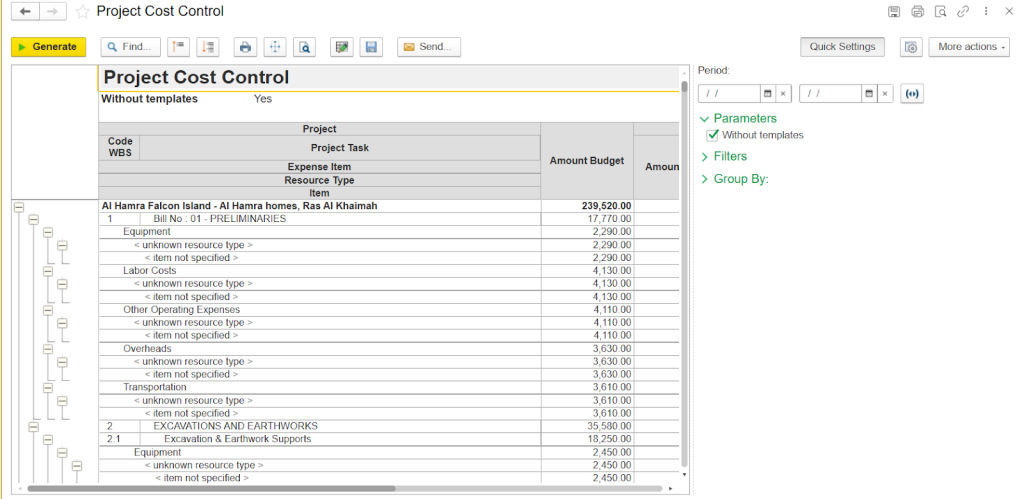
Project cost control report in FirstBit ERP
- Document and drawing management. Controlled storage of drawings, specifications, RFIs, and approvals ensures all trades work with accurate information. This reduces rework caused by outdated MEP drawings in construction or uncoordinated revisions.
- Labor and timesheet management. ERP tools track manpower allocation and timesheets across disciplines. This helps project teams measure productivity and adjust staffing to support mechanical, electrical, and plumbing workflows.
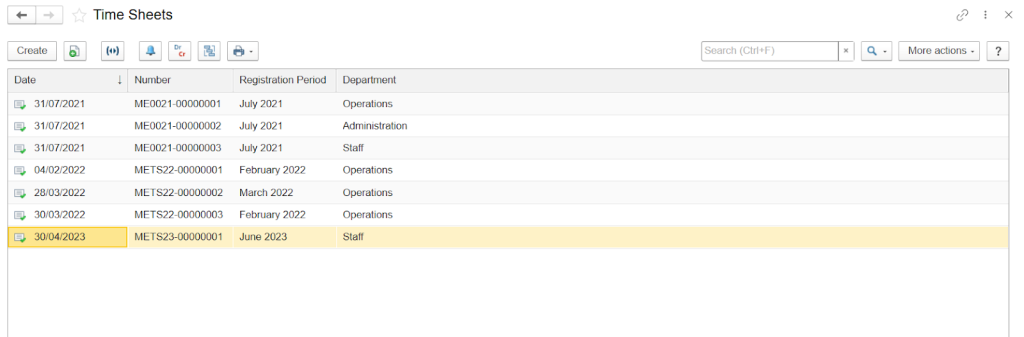
Timesheets in FirsBit ERP
- Work order and task control. ERP platforms break down complex installation tasks into structured work orders. This improves accountability, clarifies dependencies, and supports steady progress across MEP works in construction.
ERP workflows do not replace engineering judgment, but they help control how information and tasks move across teams. When scope, procurement, labor, and documents sit in one system, coordination becomes easier to maintain. This supports more predictable delivery of MEP works in construction, especially when multiple trades share the same constraints.
Conclusion
MEP systems shape how a building performs once construction is complete, influencing comfort, efficiency, and day-to-day usability. Their complexity requires clear planning and disciplined coordination so that mechanical, electrical, and plumbing work aligns with structural and architectural goals.
As projects incorporate more technology and higher performance expectations, the demands on MEP design and installation continue to rise. This makes reliable documentation and well-defined processes essential, especially where multiple trades depend on shared spaces and interconnected systems.
A consistent approach to MEP execution helps deliver buildings that operate as intended and remain manageable over their lifecycle. In competitive project environments, this level of predictability strengthens outcomes for contractors and supports long-term value in MEP in building construction.
Keep projects running like clockwork
Schedule tasks in FirstBit
Request a demo
FAQ
What is the role of MEP in construction?
What is MEP used for?
What are the basics of MEP?
What is MEP equipment?

Umme Aimon Shabbir
Editor at First Bit
Share this article
'%3e%3cg%20clip-path='url(%23clip1_6548_6055)'%3e%3cpath%20d='M13.974%2015.6195C14.2724%2016.0185%2014.6532%2016.3487%2015.0905%2016.5876C15.5278%2016.8265%2016.0114%2016.9686%2016.5084%2017.0042C17.0055%2017.0398%2017.5043%2016.9681%2017.9712%2016.7939C18.4381%2016.6198%2018.8621%2016.3472%2019.2143%2015.9948L21.2994%2013.9098C21.9324%2013.2544%2022.2827%2012.3766%2022.2747%2011.4654C22.2668%2010.5543%2021.9014%209.68269%2021.257%209.03839C20.6127%208.39408%2019.7412%208.02862%2018.83%208.0207C17.9189%208.01278%2017.0411%208.36305%2016.3857%208.99606L15.1902%2010.1845M16.754%2014.2295C16.4555%2013.8305%2016.0747%2013.5003%2015.6374%2013.2614C15.2002%2013.0225%2014.7166%2012.8804%2014.2196%2012.8448C13.7225%2012.8092%2013.2237%2012.8809%2012.7568%2013.0551C12.2899%2013.2292%2011.8659%2013.5018%2011.5136%2013.8542L9.42861%2015.9392C8.7956%2016.5946%208.44534%2017.4724%208.45326%2018.3836C8.46117%2019.2947%208.82664%2020.1663%209.47094%2020.8106C10.1152%2021.4549%2010.9868%2021.8204%2011.898%2021.8283C12.8091%2021.8362%2013.6869%2021.4859%2014.3423%2020.8529L15.5308%2019.6645'%20stroke='%235F7896'%20stroke-width='1.39002'%20stroke-linecap='round'%20stroke-linejoin='round'/%3e%3c/g%3e%3c/g%3e%3crect%20x='0.438953'%20y='0.438953'%20width='28.9709'%20height='28.9709'%20rx='14.4855'%20stroke='%235F7896'%20stroke-width='0.877907'/%3e%3cdefs%3e%3cclipPath%20id='clip0_6548_6055'%3e%3crect%20width='29.8488'%20height='29.8488'%20rx='14.9244'%20fill='white'/%3e%3c/clipPath%3e%3cclipPath%20id='clip1_6548_6055'%3e%3crect%20width='16.6802'%20height='16.6802'%20fill='white'%20transform='translate(7.02344%206.58435)'/%3e%3c/clipPath%3e%3c/defs%3e%3c/svg%3e)


Related articles


See all








See FirstBit ERP solutions in action
Discover how our system solves the unique challenges of contractors in a personalized demo.
After the demo you will get a quotation for your company.
After the demo you will get a quotation for your company.