





Warehouse Management System (WMS)

Understanding the Meaning of WMS
Where Does WMS Fit Into the Supply Chain?
Why Do Businesses Today Need a WMS?
Inventory and Shipping Monitoring
-
Difficulties with carriers. Businesses often face delays in coordinating shipments due to poor communication with carriers, leading to scheduling conflicts, missed delivery windows, and increased transportation costs. These issues can disrupt the entire supply chain.
-
Handling returns. Managing returns can quickly become chaotic without a system in place to track them. Without the aid of WMS for inspection, it's difficult to efficiently allocate returned items for restocking, repair, recycling, or disposal. Manual inspections also significantly delay the availability of items for resale.
-
No real time tracking. The absence of the real time tracking feature can cause delays in tracking shipments and in predicting their arrival times. Furthermore, the potential for goods to get lost in the shipping process can negatively affect both the business operations and customer service.
Customer Service Issues
-
High order accuracy so your customers do not get the wrong products
-
Faster order fulfillment without unnecessary delays
-
Accurate tracking information to keep the customer updated on the delivery of their order
-
Smoother return process to keep customers believing in your service
Competitive Edge
-
Customer expectations for faster and more accurate order fulfillment are higher than ever.
-
Managing a large and diverse inventory efficiently has become increasingly complex.
-
Operational inefficiencies and reliance on manual processes can lead to higher costs and slower order fulfillment times.
-
Effective coordination with suppliers and other parts of the supply chain is crucial for smooth operations. Making informed decisions in real time is essential for maintaining competitiveness, yet it can be challenging without comprehensive data.
Benefits of Implementing a WMS in UAE
Reduced Costs
-
Optimizing storage. A WMS uses advanced algorithms to determine the best locations for storing items, maximizing warehouse space and reducing wasted areas. By organizing inventory in a way that minimizes unused space, businesses can avoid the costs associated with renting additional storage facilities. It also reduces the time staff spends on their tasks and the number of employees needed to handle the same workload. This ensures peak efficiency and reduced labor costs.
-
Retrieval process. WMS lowers costs by streamlining the picking process, guiding workers along optimized paths for faster item location and reduced labor time, in turn reducing labor costs. It minimizes picking errors and boosts order accuracy, cutting costs tied to returns and unhappy customers. WMS software also helps manage perishable inventory by picking items with the shortest shelf life first. This ensures that products are used before they expire, boosting sales and reducing waste. This way businesses can avoid losses from spoiled goods.
-
Packing processes. A WMS can provide detailed packing instructions, ensuring that items are packed correctly. This reduces the likelihood of damaged goods and returns, saving costs associated with re-shipping and handling. Additionally, by automating packing instructions and integrating with transport systems, WMS optimizes package sizing and carrier selection, leading to significant savings on materials and shipping.
A survey by Logistics Management found that warehouses are the most common location for packing and fulfillment activities, with ResearchGate estimating that order picking costs make up 55% of total warehousing expenses.[?]
Improved Inventory Accuracy and Visibility
Faster Order Fulfillment and Delivery
-
Picking routes. There need to be efficient picking routes that minimize the time and effort required to gather items for orders.
-
Quality control. Effective management includes checks to ensure items are packed correctly and securely, reducing the chances of damage during delivery.
-
Carrier coordination. Efficient warehouses communicate effectively with carriers, scheduling pickups and deliveries to ensure timely arrival at the customer’s location.
Enhanced Customer Satisfaction
Track inventory in FirstBit ERP
Key Features of a Modern WMS System
Inventory Management and Tracking
-
Stock count management. It tracks inventory from ordering to order fulfillment by keeping track of all the items that your warehouse currently has and placing orders accordingly to prevent overstocking.
-
Minimum/maximum stock levels. The function helps eliminate overstocking or out-of-stock problems by defining every item's minimum and maximum values and getting automatic alerts.
-
Expiry date management. Manage and sell products that come with an expiration date first to mitigate wastage and increase your profit margins.
-
Batch management. Be it auto spare parts, steel items, or heavy-duty machinery, it lets you manage your stock in batch and even process order batches seamlessly.
-
Negative stock management. Enhance the accuracy of the cost of goods sold by avoiding the issue of negative inventory by analyzing the order and shipping dates.
-
Label printing. If you need labels for your inventory, sets, bundles, or inbound or outbound deliveries, you can connect FirstBit software with your label printer.
-
Barcode management. Track products coming in and going out of your warehouse using barcode scanners and PDA devices For example, FirstBit ERP can generate 1D and QR codes for your inventory items.
-
Automated data collection (ADC) using handheld devices. Use handheld devices to scan barcodes and labels to capture stock data across your warehouse automatically.
Order Fulfillment and Shipping
- First, it automates order processing, which means it handles the entire process from receiving orders to picking, packing, and shipping them, reducing the need for manual work.
- The system also uses smart picking methods like batch picking (picking multiple orders at once), zone picking (picking from specific areas of the warehouse), and wave picking (picking orders in waves based on priority), which makes finding and picking items faster and more efficient.
- The system integrates with shipping carriers, allowing it to create shipping labels, schedule pickups, and provide tracking information, making the shipping process smoother. It also has packing optimization, which determines the best way to pack items based on their size and weight, ensuring they are packed efficiently and safely. Order accuracy is verified through barcode scanning to make sure the right items are picked and packed.
- Finally, the system uses dynamic slotting to place frequently ordered items in easily accessible locations, and it generates detailed reports and analytics to help improve the order fulfillment and shipping processes continuously.
Warehouse Layout and Space Optimization
Labor Management and Productivity
Inbound Logistics says many warehouse workers spend about 60% of their time picking orders.
Reporting and Analytics
-
Inventory reports. It provides a detailed view of current inventory, including stock levels, pending receipts, and stock thresholds. You may use this data to improve purchasing and sales campaigns, avoid overstocking or stockouts, and predict future stock needs.
-
Product movement analysis. This tracks product turnover rates to reveal fast and slow-moving items. Insights from this data will help you optimize storage, product placement, and purchasing decisions, leading to cost savings and better customer satisfaction.
-
Labor efficiency reports. It assesses workforce productivity, identifying strengths and areas for improvement. By optimizing training and workflows, businesses can enhance productivity and employee satisfaction.
-
Order accuracy reports. These reports highlight the accuracy of the picking, packing, and shipping processes. Identifying frequent errors allows you to reduce costly returns and improve customer satisfaction.
-
Storage space analysis. This optimizes warehouse space use by examining product storage, rotation, and access. Improved layouts lead to faster processing times and lower operational costs.
-
Operational cost reports. The reports provide a view of operational expenses, helping identify cost-saving opportunities through automation, better vendor contracts, and streamlined workflows.
-
Sales trend analysis. By combining sales data with inventory insights, you can forecast market trends and align stock with customer demands, ensuring the availability of popular items.
-
Return reports. These reports analyze reasons behind returns, offering insights to refine product offerings and reduce return rates, enhancing brand loyalty.
-
Safety and compliance reports. Ensuring products are stored and handled according to regulations, these reports minimize legal liabilities and bolster brand reputation.
-
Predictive analysis. Using AI and machine learning, predictive analysis anticipates future challenges like stockouts or equipment failures, helping your business stay agile and prepared.
Types of Warehouse Management Systems
Standalone WMS
-
Specialization in warehouse management
-
Greater flexibility in deployment and integration
-
Scalability for various business sizes and needs
-
May require complex integration efforts with other business systems leading to potential issues with data consistency and flow.
-
The high degree of customization and specialized features of standalone WMS can result in higher upfront costs, both in terms of the software itself and the need for specialized hardware or infrastructure.
Integrated ERP Modules
-
Allows for data management across all business functions, ensuring consistency in information from inventory to financials
-
Facilitates smooth integration of warehouse data with other business processes, such as procurement and sales, enhancing overall operational efficiency
-
It may need more specific warehouse management features that standalone systems provide, which could be a drawback for specialized needs
-
The setup process can be complex and time-consuming, requiring significant resources
-
The initial investment and ongoing maintenance can be substantial, possibly not justifiable for smaller businesses with simpler operations
Cloud-Based WMS
-
Lower deployment and operational costs, with businesses only paying for what they use
-
Accessibility from anywhere with internet access, making it easier to manage multiple warehouse sites and scale as business needs change
-
Enhanced security measures, like encryption and audits, make it more secure than on-site systems
-
Designed to address connectivity issues through local caching and data synchronization
-
Requires reliable internet connectivity, which can be a challenge for some businesses
-
Despite high security, online systems are always at risk of data breaches
-
As businesses grow and require more resources, costs can rise
-
It may need help integrating with existing on-premise systems
Supply-Chain Execution Modules
-
Can integrate with other supply chain software
-
Enhance inventory management efficiency
-
Increase the accuracy and speed of order fulfillment
-
Simplify and expedite shipping procedures
-
Boost customer satisfaction and decrease operational costs significantly
-
May necessitate extensive customization and integration with other systems
-
May lead to higher costs and a steeper learning curve for users
ERP and WMS: Understanding the Relationship
How ERP and WMS Systems Integrate for Maximum Value
-
Making sure everything runs smoothly is important for businesses. Connecting WMS and ERP systems helps different departments work well together. This leads to better efficiency and productivity.
-
Combining systems gives you up-to-date information on your inventory. This helps you keep track of where products are and make smart decisions quickly.
-
Integrating systems can be tricky. Common problems include differences in data and compatibility issues. Recognizing and dealing with challenges is the first step to fixing them.
-
Addressing integration challenges there are solutions available. Providing training, keeping data consistent, and regularly checking systems can help businesses integrate smoothly and efficiently.
Monitor stock levels in FirstBit ERP
WMS FirstBit ERP Module
-
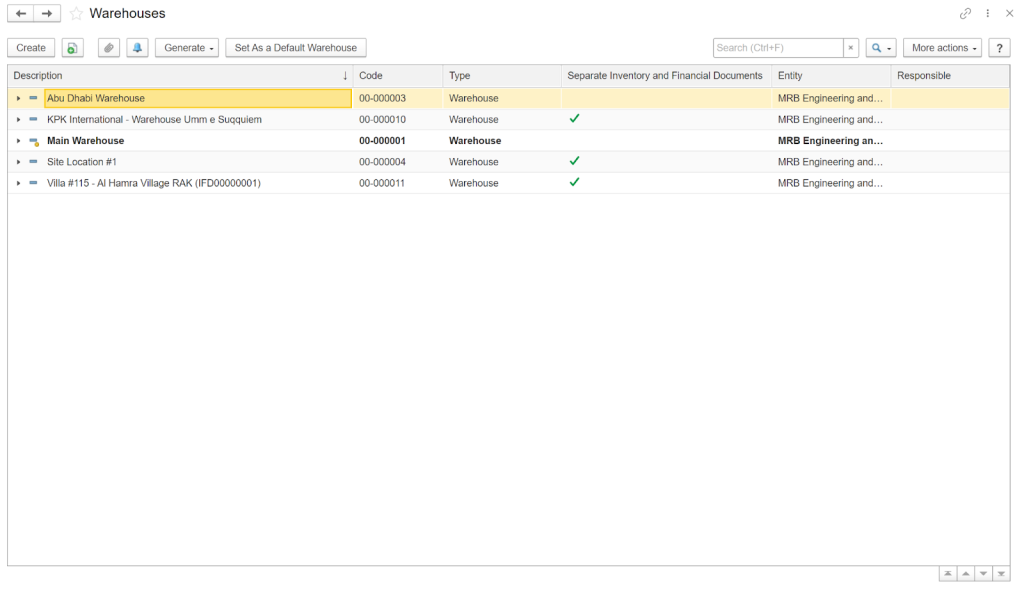
Monitoring of all available warehouses
-
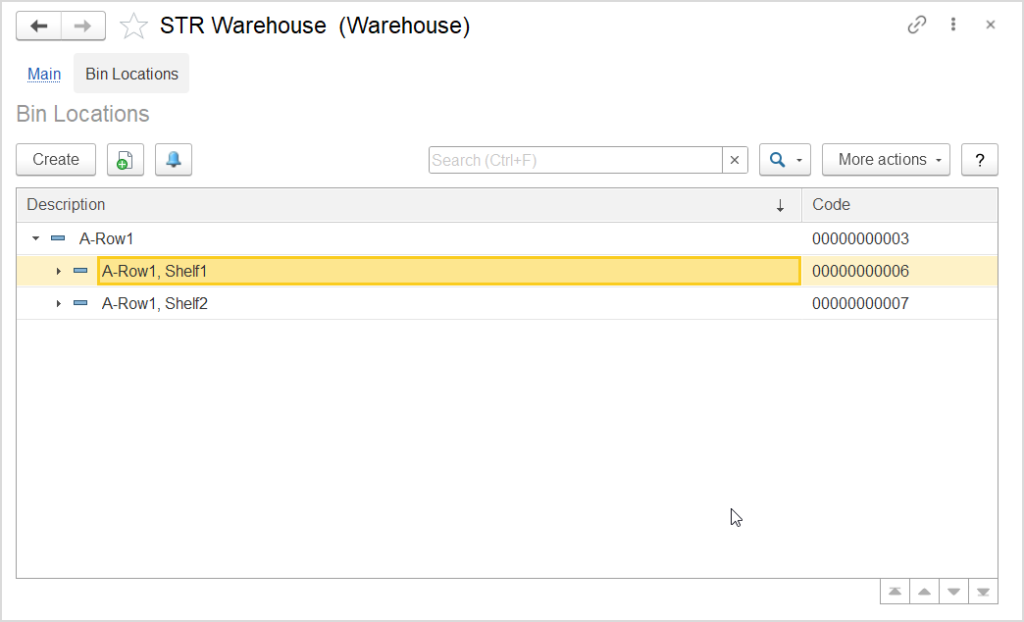
Bin locations management
-
Storage of documentation in one place

F.A.Q.
A WMS improves inventory accuracy by using advanced tracking technologies like barcode scanning and RFID, which ensure real-time data accuracy and reduce human errors in inventory counts.
WMS systems provide advanced analytics and forecasting tools that help businesses anticipate demand changes, allowing for more responsive inventory management and order fulfillment strategies.
Yes, WMS can significantly optimize warehouse space. It uses algorithms to determine the most efficient storage strategies, taking into account factors like item size, weight, and demand, thus maximizing the use of available space.









See FirstBit ERP solutions in action
After the demo you will get a quotation for your company.